

Importance of Video Marketing on Social Media Platforms
Why Video is King on Social Media
Video dominance is not an accident; it's evidence of how people take in information and interact with brands in today's digital world. Here's why video marketing is crucial:
Grabs Attention Immediately: In a scroll-intensive feed, motion catches the eye. Videos catch eyeballs quicker than static photos or words, making it more likely that users will pause and interact.
Higher Participation Levels: Videos earn more likes, comments, shares, and saves compared to other content on a regular basis. They're more engaging by nature and encourage participation.
Boosts Information Recall: People are better at remembering things when they're given both visually and orally. Video allows you to convey complicated messages in a manner that is remembered and comprehend easily.
Creates Trust and Authenticity: Video provides a special platform to present your brand's personality, attach a human face to your business, and establish true connection with your audience. Live videos, especially, create unscripted, authentic connection.
Drives Conversions: Research consistently indicates that adding video to landing pages can really drive conversion rates. Hearing testimony or watching a product in action can be overwhelmingly convincing.
Liked by Algorithms: Social networks prefer video content, particularly short-form video (such as Reels and TikToks). They're aware audiences enjoy it, so they promote it to more feeds, expanding your organic reach.
Flexibility: From brief tips and how-to videos to emotional storytelling and behind-the-scenes looks, video can be used to achieve almost any marketing goal and brand message.
Strategic Methods for Video Marketing on Social Media
Knowing video is important is one thing; implementing a successful strategy is another. Here are key strategies to leverage video effectively across your social media channels:
1.Know Your Platform & Audience
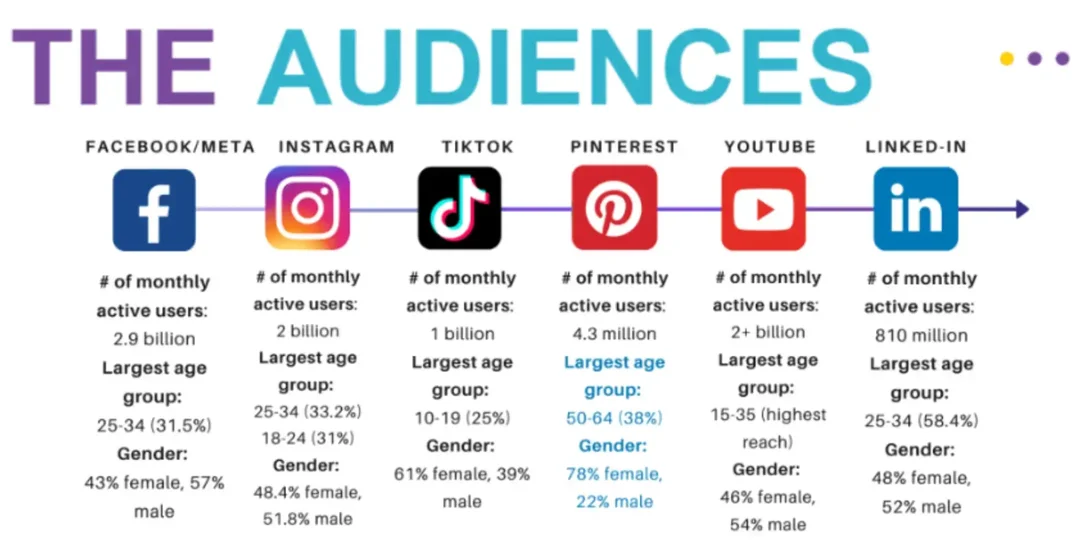
Platform Specificity: A TikTok strategy won't work on LinkedIn, and vice-versa. Understand the typical video length, style, and audience expectations of each platform you use.
Instagram/TikTok: Short-form, entertaining, trending audio, quick cuts, authentic.
Facebook: Mix of short and medium-form, community-focused, live streams.
YouTube: Long-form, educational, tutorials, in-depth reviews, evergreen content.
LinkedIn: Professional, educational, thought leadership, interviews, company culture.
Audience Insights: What type of video content does your specific audience prefer? Are they looking for quick tips, deep dives, humor, or inspiration?
2.Hook Them Immediately (The First 3 Seconds!)
The average attention span is short. Your video needs to grab viewers' attention within the first few seconds.
Strong Visuals: Start with an intriguing visual.
Compelling Question/Statement: Pose a question or make a bold claim.
Action/Intrigue: Jump straight into the most interesting part.
Trending Audio/Visuals: If appropriate for the platform (e.g., TikTok/Reels), leverage current trends.
3.Focus on Value, Not Just Selling
While conversions are a goal, direct selling in every video can be off-putting.
Educational Content: How-to guides, tutorials, explainer videos, common problem solutions.
Entertaining Content: Humorous skits, challenges, behind-the-scenes fun.
Inspirational Content: Share success stories, motivational messages, brand mission.
Problem-Solution: Clearly articulate a pain point and demonstrate how your product/service solves it.
4.Optimize for Sound Off (and On)
A large percentage of social media videos are watched without sound initially.
Compelling Visuals: Ensure your video makes sense even without audio.
Captions/Subtitles: Always add accurate captions. This improves accessibility and allows viewers to understand your message anywhere.
Clear Audio: If sound is used, ensure it's high quality and easy to understand.
5.Prioritize Quality:
While professional-grade production isn't always necessary, aim for:
Good Lighting: Well-lit subjects are key.
Clear Audio: Use an external microphone if possible.
Stable Footage: Avoid shaky camera work.
Basic Editing: Remove dead air, add text overlays, background music.
Authenticity often trumps ultra-high production value, especially for short-form content.
6.Add a Clear Call-to-Action (CTA)
Never leave your audience wondering what to do next.
- "Link in bio to learn more!"
- "Follow for more tips!"
- "Comment your thoughts below!"
- "Visit our website [website.com] to shop."
- "Tag a friend who needs this!"
7.Encourage Interaction
Video is two-way communication.
Encourage involvement:
Ask questions in your video or caption.
Conduct a poll or quiz in Instagram Stories by using video.
Go Live to interact in real-time with your audience.
Respond to all comments and messages.
8.Analyze and Adapt
Regularly review your video performance metrics:
Watch Time: Are they watching for that long or dropping off somewhere?
Engagement Rate: Likes, comments, shares, saves
Reach & Impressions: How many unique viewers are seeing the videos?
Click-Through Rate (if applicable): How many are clicking the CTA?
Use these insights to refine your video content, try new things, and optimize your strategy for continuous improvement.
The Future is Moving
In the constantly changing world of social media, one thing is crystal clear: video isn't an option-it's a necessity. But by fully understanding its potential and leveraging the right strategic strategy for your brand, you'll be unlocking the magic of movement to captivate attention, build community, and deliver tangible, concrete results. Don't show up-show them what you are, one compelling video at a time.
More from our blog
See all posts





Recent Posts
- Successful Influencer Marketing Strategy December 2, 2025
- Instagram engagement December 2, 2025
- Effective Strategies for Increasing Your Website’s Conversion Rate December 2, 2025