

Competitive SEO Analysis
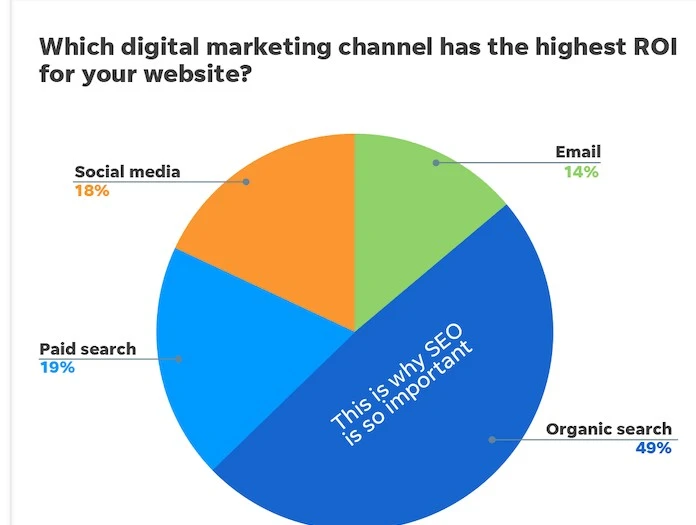
How to conduct a thorough competitive SEO analysis:
Step 1: Find Your True Digital Competitors
Your business competitors are not necessarily your SEO competitors. A local shop in Jaipur may be competing with another for walk-ins, but online, they are actually fighting for keyword rankings against a national e-commerce giant.
Brainstorm: Who are the top 3-5 companies that appear when you look for your core product or services? Think general and targeted.
ResearchKeyword : Use tools (e.g., Semrush, Ahrefs, Moz, SpyFu) to see who ranks for your most important keywords. You'll often find competitors you never even knew existed.
Local Relevance: If you're a local company, also consider competitors who are ranking well in local search (Google Maps, "near me" searches).
Step 2: Find Their Keyword Tactics
Now that you have your list, it's time to discover what keywords are sending traffic to their sites.
Organic Keywords: Enter your competitors' domains into your SEO tool of choice. View their top organic keywords.
High-Volume Keywords: What general terms are they after?
Long-Tail Keywords: Are they ranking for more niche, lower-volume but high-intent keyword phrases? These are usually untapped opportunities.
Keyword Gaps: See keywords where your competitors are ranking high, but you are not ranking at all. This is the best soil for new content.
Paid Keywords (Optional but Recommended): See if they are spending on Google Ads. You will know what keywords they are paying for, which represents commercial intent.
Step 3: Analyze Their Content Strategy
Content is the king, and the content strategy pursued by your competitors can say a lot.
Top-Performing Pages: Which pages on their site are receiving the highest volume of organic traffic? What topics do they focus on? How in-depth are those articles, guides, or product pages?
Content Formats: Are they really using blog posts, videos, infographics, case studies, or whitepapers?
Content Gaps: Are there key subjects in your niche that your competitors aren't covering in-depth? This is your opportunity to become the go-to source.
Freshness: How often do they update new content? Is their content up-to-date? (Most relevant in fast-paced industries).
Step 4: Evaluate Their Backlink Profile
Backlinks (links to theirs from other websites) are still a primary ranking factor. They tell search engines that your content is authoritative and reliable.
Quantity & Quality: How many backlinks do your competitors have? More importantly, what is the quality of those links? Are they from high-authority, reputable websites (e.g., university sites, government pages, industry news sites)?
Referring Domains: How many unique sites are linking to them? A diverse link profile is better.
Anchor Text: What words are used in the links pointing to their site? This could be a clue as to what kind of keywords they are trying to rank for.
Link Gaps: Identify which quality websites link to your competitors but not to you. These are potential targets for your own link-building efforts.
Step 5: Evaluate Their Technical SEO and UX:
Even the best content won't rank if the website itself has technical issues.
Site Speed: How fast does their site load? Use tools like Google PageSpeed Insights.
Mobile-Friendliness: Is their site optimized for mobile devices? (Critical in 2025!)
Site Structure: How easy is it to navigate their website? Is their content well-organized?
Core Web Vitals: Are they performing well on Google's key UX metrics?
Internal Linking: How are they linking to their own internal pages? Is it user-friendly and logical for search engines?
Step 6: Social Signals and Brand Mentions
Social media activity and brand mentions aren't direct ranking factors, but they can contribute to SEO indirectly.
Social Presence: Where are your biggest competitors most active on social media? What type of content is being shared and commented on the most?
Brand Mentions: Are they being talked about on other websites, forums, or news outlets? Tools can help you track these.
Step 7: Synthesize Your Findings and Develop Your Strategy
Identify Opportunities: Where are your competitors weak? Where can you create better, more comprehensive content? Which high-value keywords are they missing?
Pinpoint Threats: What are they doing exceptionally well that you need to emulate or surpass?
Create an Action Plan: Based on your analysis, prioritize tasks. This could include:
Targeting specific keywords.
Creating new pillar content or revamping old content.
Developing a link-building strategy.
More from our blog
See all posts







Recent Posts
- Successful Influencer Marketing Strategy December 2, 2025
- Instagram engagement December 2, 2025
- Effective Strategies for Increasing Your Website’s Conversion Rate December 2, 2025