

Impact of Artificial Intelligence on Digital Marketing
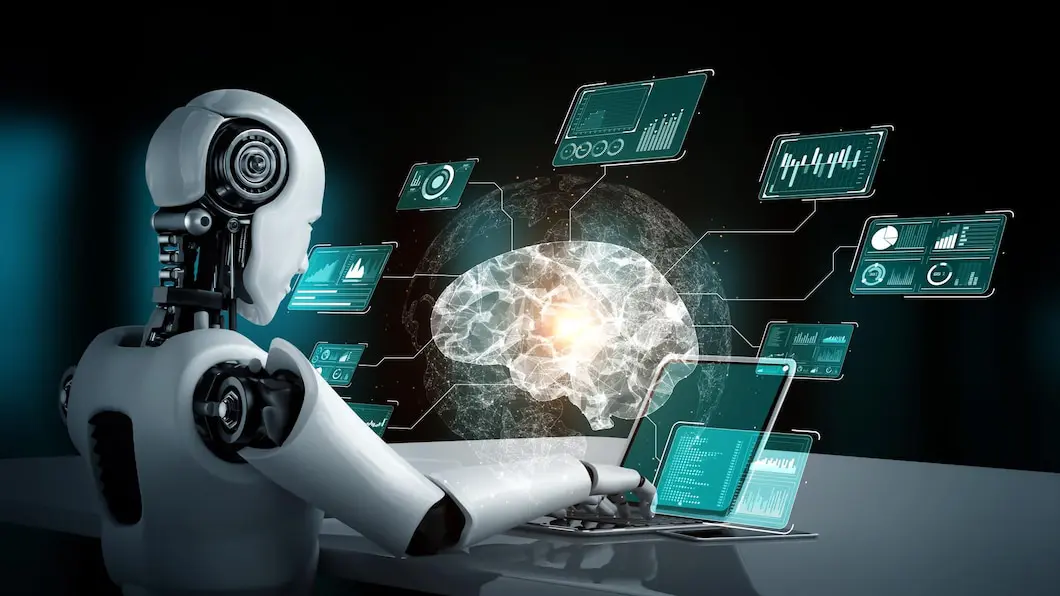 1.Hyper-Personalization at Scale (Beyond Human Capability):
Recall when personalization involved placing a customer's first name in an email? AI does it on a completely different scale. Analyzing an individual's Browse history, purchase behavior, demographics, and even emotional reaction, AI is capable of:
Personalizing content recommendations: Displaying products, articles, or videos best matched to an individual's preferences.
Personalizing ad creatives: Displaying ad variations most appealed to by specific user segments.
Make web experiences personal: Dynamic site content that adapts to who's visiting.
This kind of personalization results in more engagement, improved conversion rates, and an even more enjoyable customer experience, making customers feel truly heard.
2.Intelligent Ad Campaigns and Better Spending:
The most direct effects of AI can be seen in paid advertising. AI-driven algorithms are able to:
Forecast ad performance: Knowing which creatives and targeting strategies will perform best.
Automate bidding strategies: No more constant real-time adjustments to get the most bang for your buck in platforms such as Google Ads and Meta.
Identify optimal audiences: Discover new audiences you might have missed with manual analysis.
Allocate budgets dynamically: Shifting spend to channels and campaigns that are performing best at any given moment.
Thus, businesses get fewer wasted ad spends, much more efficient campaigns, and a higher ROI in the end.
3.Content Creation and Curation on Steroids:
Human imagination is still the best, but AI capabilities are getting amazingly good at helping with content:
Coming up with outlines and ideas: Getting your blog posts or video scripts started.
Writing initial content: AI writing tools can generate understandable content for product write-ups, social media posts, and even simple articles.
SEO optimization: Finding keywords, proposing meta descriptions, and enhancing content readability.
Curating content that matters: Separating through huge volumes of data to discover trending stories or worthwhile resources for your audience.
This allows human marketers to concentrate on strategy, creative storytelling, and forming authentic relationships.
4.Better Customer Service with Virtual Assistants and Chatbots:
The advent of AI-driven chatbots has revolutionized the way companies engage with customers 24/7. These high-tech bots can:
Respond to FAQs in an instant: Offering instant support and decreasing waiting times.
Pre-guide customers through sales funnels: Guiding them to find products or make purchases.
Accumulate valuable information: Learning from each interaction to do better in the future.
It enhances customer satisfaction, lightens the burden on human support organizations, and keeps your business available at all times.
5.Predictive Analytics and Future-Proofing Strategies:
The capacity of AI to understand historical data and recognize complicated patterns enables marketers to:
Forecast future trends: Identifying changes in consumer behavior before they hit mainstream.
Predict sales and demand: Managing inventory and marketing efforts in advance.
Identify possible churn risks: Actively engaging customers who may be thinking of leaving.
It is this anticipation that allows companies to make informed decisions that are proactive instead of reactive, providing them with a big competitive advantage.
The Human Element Remains Critical
Although AI is an amazing instrument, let's not forget that it's exactly that – an instrument. The true magic occurs when human creativity, strategic acumen, and emotional intelligence join forces with the analytical force of AI. Marketers are transforming into orchestrators, directing AI, translating its findings, and adding to those strategies the creative spark and empathy only human beings can bring.
More from our blog
See all posts

Recent Posts
- Successful Influencer Marketing Strategy December 2, 2025
- Instagram engagement December 2, 2025
- Effective Strategies for Increasing Your Website’s Conversion Rate December 2, 2025